
RayNeo Air 4 Pro vs Xreal Air 2 Ultra: The Battle for AR Dominance in 2026
The market for consumer smart glasses has fundamentally fractured in 2026. Two distinct hardware categories have emerged to serve vastly different user bases.
We analyze the media-focused RayNeo Air 4 Pro against the spatial computing-oriented Xreal Air 2 Ultra. This comparison reveals which device truly suits your digital lifestyle.
The Great Divergence in AR Tech
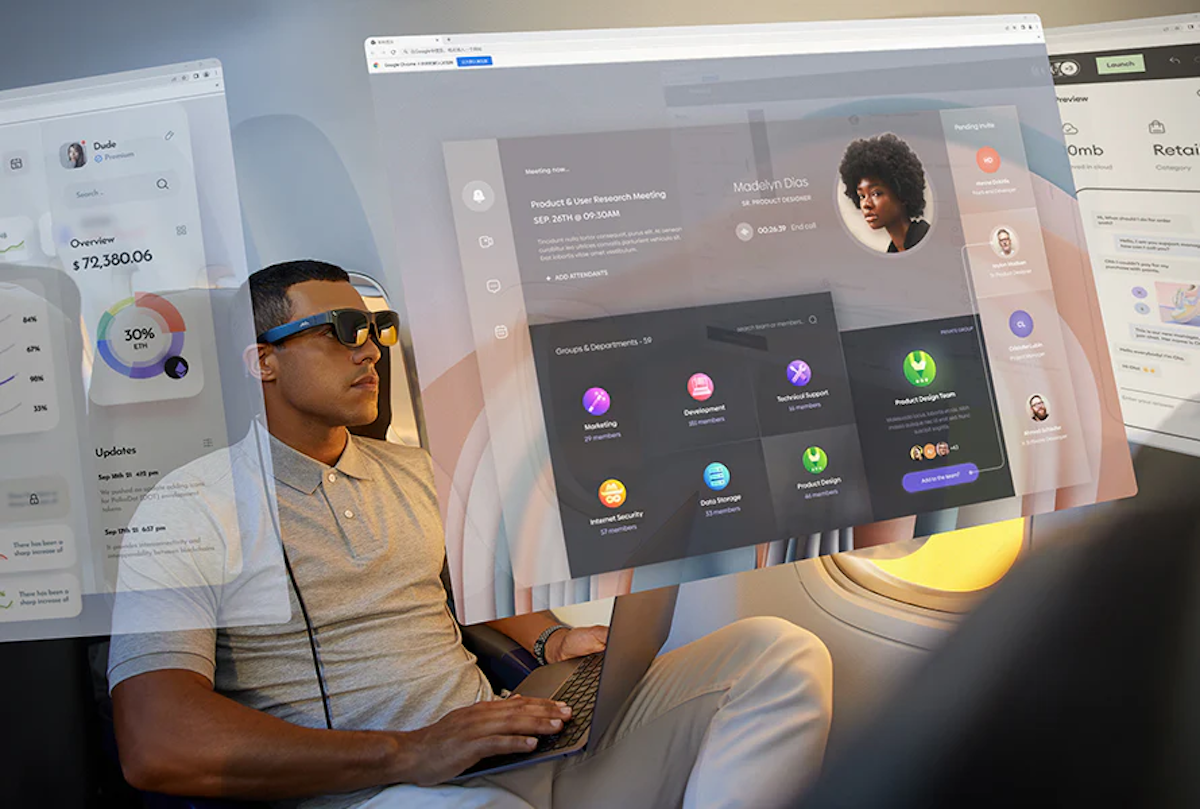
The year 2026 marks a pivotal turning point where manufacturers stopped trying to do everything at once. We now see a clear split between pure visual fidelity and interactive spatial computing capabilities in the Smart Glasses sector.
This specialization benefits consumers who know exactly what they want from their wearable technology. You no longer have to pay for complex, heavy sensors if your primary goal is simply watching movies on a massive virtual screen.
Instead of a generic hybrid device, we now have two masters of their specific domains. The RayNeo Air 4 Pro is positioned for media consumption, while the Xreal model is positioned for spatial computing creators and developers.
Spec Showdown: The Numbers Game
To understand the capabilities of these Smart Glasses, we must first look at the raw specifications. The data highlights the distinct design philosophies behind each headset.
| Feature | RayNeo Air 4 Pro | Xreal Air 2 Ultra |
| Display Type | Micro-OLED (SeeYa) | Micro-OLED (Sony) |
| Brightness | 1200 Nits | 500 Nits |
| Refresh Rate | 60Hz / 120Hz (Adaptive) | Up to 120Hz (2D) / 90Hz (3D) |
| FOV | 47 Degrees | 52 Degrees |
| Tracking | 3DoF (Media Focus) | 6DoF (Spatial Focus) |
| HDR Support | HDR10 Certified | SDR (no stated HDR10 support) |
| Weight | 76g | 80g |
The specifications show that the RayNeo Air 4 Pro prioritizes brightness and refresh rates. This focus ensures a superior experience for video content and gaming.
Visual Fidelity and Display Quality
When it comes to pure image quality, the RayNeo Air 4 Pro is a top contender in the consumer display category. The focus here is on reproducing a cinema-grade experience that fits inside your pocket.
Users who prioritize high-definition video playback will notice the difference immediately upon wearing these Smart Glasses. The clarity is not just a specification; it is a tangible upgrade.
Why HDR10 Matters
The inclusion of HDR10 support is one of the defining features of the RayNeo Air 4 Pro. It can allow for a dynamic range that standard Smart Glasses simply cannot match, when HDR content and a compatible output chain are used.
Watching films like Dune can reveal details in the shadows that are completely lost on competitors. The contrast ratio provided by the advanced Micro-OLED panels creates a truly immersive viewing environment, and RayNeo’s SDR-to-HDR-style enhancement can further boost perceived punch on non-HDR sources.
Brightness Wars
With a peak brightness of 1200 nits, the RayNeo Air 4 Pro is more usable in bright indoor and shaded outdoor settings. This is a critical factor for commuters who use AR eyewear on trains or buses, though direct sunlight can still wash out transparent optics.
Competitors often suffer from washed-out images when ambient light hits the lens. RayNeo Air 4 Pro addresses this with higher peak brightness to better resist environmental light interference.
Gaming Performance and Connectivity
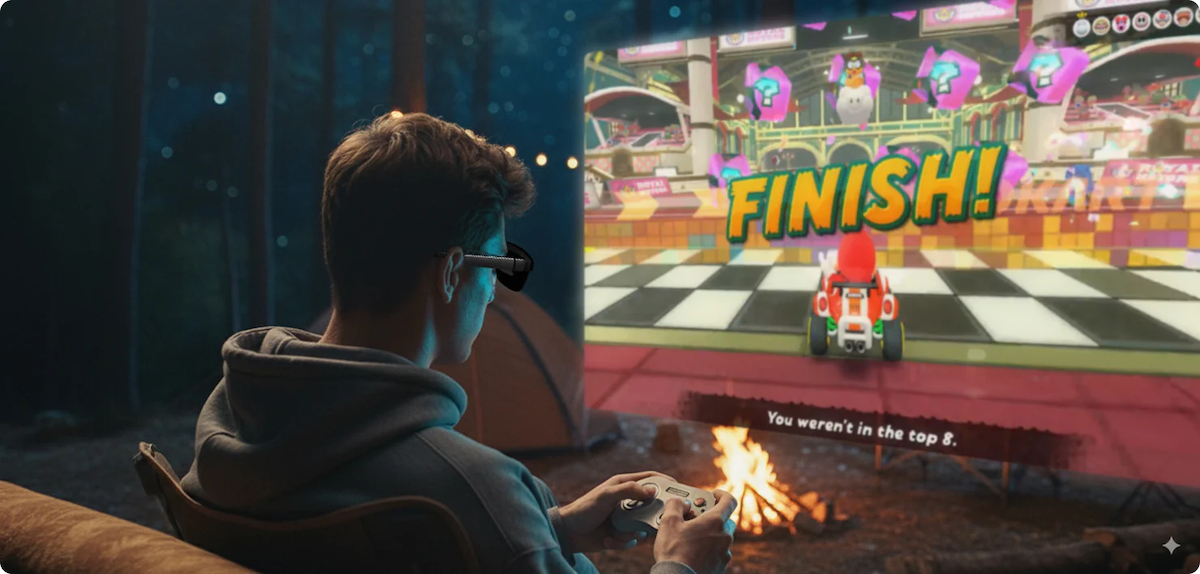
Gamers require low latency and high refresh rates above all else. The RayNeo Air 4 Pro delivers a 120Hz-capable experience that feels incredibly responsive for fast-paced action titles, when 120Hz output is supported by the source device.
Connecting to handheld consoles is seamless, requiring no complex adapters for USB-C DisplayPort Alt Mode devices. This plug-and-play philosophy makes it the superior choice for Steam Deck enthusiasts, and it can work with Nintendo Switch setups when a compatible dock/adapter is used.
Steam Deck Integration
The integration between the Valve Steam Deck and the RayNeo Air 4 Pro works reliably without additional setup. The text is legible even at the corners of the display, which is crucial for RPGs and strategy games.
Many Smart Glasses struggle with edge blurring, but this device maintains sharpness across the entire field of view. This edge-to-edge clarity is essential for reading in-game UI elements without strain.
Spatial Features vs. Media Consumption
The Xreal Air 2 Ultra takes a different approach by prioritizing 6DoF tracking. This allows for virtual objects to be anchored in 3D space, which is impressive for specific productivity tasks, especially when paired with the intended companion ecosystem.
However, this complexity comes with added weight and a significantly higher price point. For users primarily interested in media, spatial features may not justify the extra cost.
- Media Watching: RayNeo Air 4 Pro offers superior color depth and brightness.
- Productivity: Xreal offers better multi-window spatial anchoring.
- Gaming: RayNeo Air 4 Pro provides a faster, brighter, and smoother image.
The 6DoF Trade-off
While 6DoF is technically impressive, it requires additional sensors and compute (often offloaded to a companion device), which increases overall system power draw and setup complexity. The RayNeo Air 4 Pro avoids this trade-off by focusing strictly on being the best wearable monitor possible.
By removing the heavy depth sensors, the RayNeo Air 4 Pro keeps the headset lightweight. This focus on comfort over complexity makes it better suited for long sessions of entertainment.
Ergonomics and Daily Usability
While specifications drive performance, long-term comfort is often the deciding factor for daily usability. Both brands have improved significantly since 2024.
The RayNeo Air 4 Pro features an adjustable nose piece and softer temple arms. These small adjustments ensure that the weight is distributed evenly across the user’s face.
- Weight Distribution: Balanced to prevent nose bridge fatigue.
- Heat Management: Passive heat dissipation; the temples may feel warm during extended use.
- Adjustability: Three-level temple tilt for different face shapes.
Long-term Comfort
In reported hands-on use, the RayNeo Air 4 Pro remained comfortable for a full three-hour flight. The lack of heavy front sensors makes a noticeable difference during extended wear.
In contrast, the spatial sensors on the Ultra add front-heavy bulk. This can cause other Smart Glasses to slide down the nose, requiring frequent readjustment during use.
Final Verdict: Choosing Your Reality
The choice between these two devices comes down to your primary use case. If you are a developer building the future of spatial computing, the Xreal Air 2 Ultra is your tool.
However, for the vast majority of consumers who want a premium personal theater, the RayNeo Air 4 Pro is likely the better value for media enthusiasts. It delivers the best visual performance in the industry, based on its emphasis on brightness, HDR positioning, and high-refresh display tuning.
In the battle for 2026, RayNeo Air 4 Pro sets a new benchmark for display quality in its class.. They have created a product that perfects the core function of Smart Glasses: giving you an incredible screen, anywhere.


