
OnePlus 16 Leak Reveals Insane 9,000mAh Battery and 240Hz Screen
The dust has barely settled on the launch of OnePlus’s current flagship series, yet the relentless cycle of smartphone development churns on. In a surprising turn of events, a comprehensive OnePlus 16 leak has surfaced months ahead of schedule, outlining a device that could redefine power and endurance in the premium segment.
If the reports are accurate, the next-generation handset will not merely offer incremental updates but will introduce drastic leaps in battery technology and display performance.
Display and Performance: Breaking the 144Hz Barrier The fresh data comes from technology tipster Debayan Roy via X (formerly Twitter). The leak suggests that OnePlus is aiming to court mobile gamers aggressively with a flat LTPO OLED panel—sourced from BOE (specifically the X5 substrate)—that boasts a blistering 240Hz refresh rate.
While 120Hz has become the industry standard and 144Hz is common in gaming phones, a 240Hz 1.5K resolution screen would place the OnePlus 16 in a league of its own, provided app developers update their software to support such high frame rates.
Under the hood, the device is rumored to feature the unannounced Snapdragon 8 Elite Gen 6 Pro. This nomenclature suggests Qualcomm is preparing a higher-tier variant of its flagship silicon, likely focusing on enhanced NPU capabilities for AI workloads and superior GPU efficiency for sustained gaming.
A Battery Behemoth Perhaps the most startling aspect of this OnePlus 16 leak is the power specification. The device is rumored to house a massive 9,000mAh battery.
For context, most 2026 flagships hover between 5,500mAh and 6,500mAh. A jump to 9,000mAh implies the use of high-density Silicon-Carbon battery technology to keep the phone’s physical thickness manageable. Despite the massive capacity, charging speeds remain competitive, with support for 100W wired and 50W wireless charging.
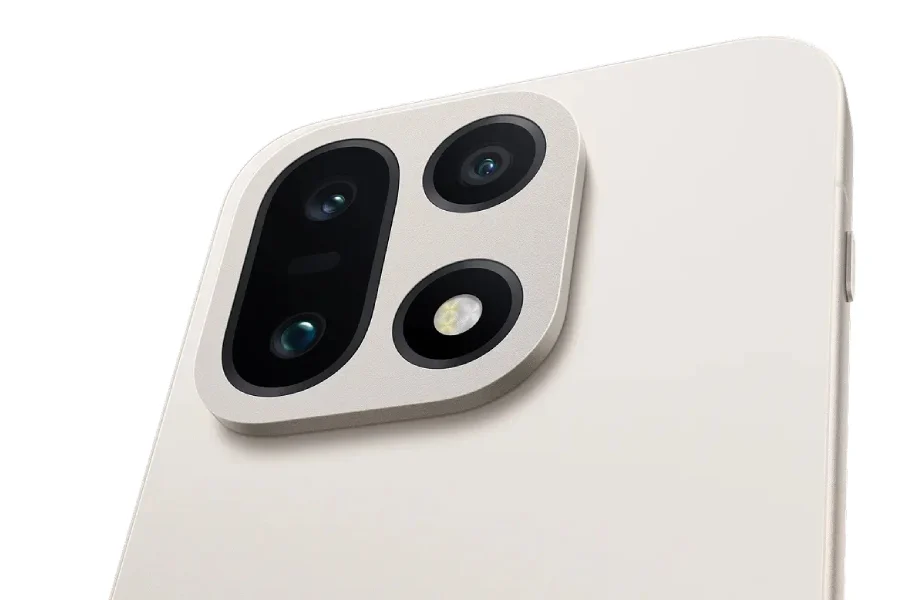
Camera and Build Quality OnePlus also appears ready to join the “megapixels war.” The leak indicates a shift to a 200MP primary sensor, a significant departure from the 50MP sensors used in previous generations. This primary shooter will reportedly be flanked by a 50MP ultra-wide lens and a 50MP telephoto camera, ensuring consistency across focal lengths.
Rounding out the spec sheet are premium utility features including an ultrasonic in-display fingerprint scanner, USB 3.0 transfer speeds, and an IP69 rating. The latter would certify the device not just against submersion, but against high-pressure, high-temperature water jets—a durability standard rarely seen in consumer smartphones.
As with all early information, these specifications should be treated with caution until official teasers begin to emerge later in the year.


